Blog / Ford BlueCruise

Ford BlueCruise® Explained: Hands-Free Driving for Texas Highways

Driver enjoying the interior features of a Ford vehicle while on the road

If you've ever wished your commute could feel a little less exhausting, Ford BlueCruise® hands-free driving might be exactly what you've been looking for. This available driver-assistance feature lets you take your hands off the wheel on compatible highways, making long stretches of Texas road a lot more manageable. Whether you're cruising through open country or navigating a familiar route in Pilot Point, Texas, BlueCruise® is designed to help reduce driver fatigue while keeping you safely in control. 

What Is Ford BlueCruise®? 

Ford BlueCruise® hands-free driving is a driver-assistance feature available on many Ford models that provides hands-free highway capability driving on prequalified sections of divided highways. These are called “Hands-Free Blue Zones,” and it covers 97% of controlled-access highways across the U.S. and Canada. That’s approximately 130,000 miles of Hands-Free Blue Zones, including many major Texas highways. This system uses cameras, radar, other sensors, and prequalified Blue Zone mapping to monitor lane markings, surrounding traffic, and vehicle positioning in real time. 

It's worth noting that BlueCruise® is a hands-free system, not a fully autonomous one. You must remain attentive behind the wheel and keep your eyes on the road. The vehicle's driver-facing camera monitors your eye gaze and head position to confirm you're paying attention, and it will prompt you to re-engage if needed.

How Does Ford BlueCruise® Work on Texas Roads? 

When you're driving on a qualifying highway, the instrument cluster turns blue and displays the Hands-Free icon to indicate that Ford BlueCruise® hands-free driving is available. Once engaged, the system handles steering, acceleration, and braking within your lane—all while keeping pace with surrounding traffic. 

For drivers in Pilot Point, TX, this feature shines on longer highway trips heading toward the Dallas-Fort Worth metro or beyond. BlueCruise® is designed for compatible controlled-access highways, making it well suited for many long-distance highway trips across Texas. The system also works seamlessly with Adaptive Cruise Control, so your speed adjusts automatically based on the flow of traffic. 

Which Ford Vehicles Offer BlueCruise®? 

Ford BlueCruise® hands-free driving is available on a growing number of Ford models, including the F-150, the electric F-150 Lightning, Mustang Mach-E, Expedition, and Explorer. It typically comes as part of an available technology package, so availability can vary depending on trim level and configuration. 

If you're shopping for a new Ford and want hands-free highway capability, it's a good idea to check the specific trim and package details before you buy. Ford also offers the Ford Co-Pilot360® Technology suite across many of its vehicles, which includes a range of driver-assistance features that complement BlueCruise® for a more connected and confident driving experience. BlueCruise® cannot be used while towing. 

Staying Connected Behind the Wheel 

BlueCruise® isn't the only tech feature worth knowing about. The available Ford Connectivity Package includes features like a 5G Wi-Fi® hotspot in a 50-ft. range of your vehicle, connected navigation, media streaming, and voice assistance. These features work together to create a driving experience that's not just hands-free, but genuinely smarter. 

For drivers who spend time on the highway regularly, pairing Ford BlueCruise® hands-free driving with these connectivity tools makes a meaningful difference in how your drive feels from start to finish. 

Explore Ford BlueCruise® at Platinum Ford North 

Ford BlueCruise® hands-free driving represents a practical step forward in everyday driving technology—one that's built for real roads and real drivers. If you're curious about experiencing it for yourself, the team at Platinum Ford North is ready to help. Visit us online to browse available inventory and find a Ford equipped with Ford BlueCruise®. Our team can help you compare eligible models, explain BlueCruise® features, and schedule a test drive to experience hands-free highway driving for yourself. 
Posted in:

Related Posts

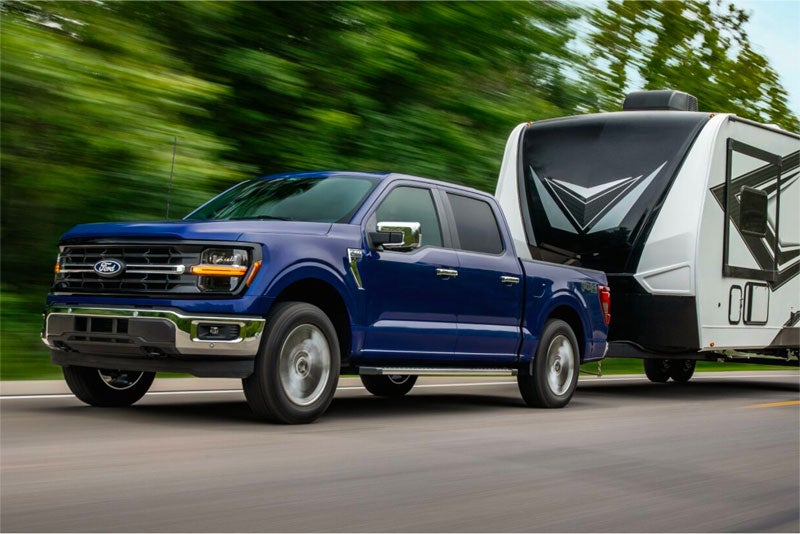
Blue Ford F-150 pickup truck towing a travel trailer on the road

New Fords vs. Ford Blue Advantage™ Certified: Which One Makes More Sense?

It's easy to assume buying new is always the better move. Brand-new paint, untouched interior, zero previous owners—it certainly feels like the obvious choice. But that's only half the story. Ford's Blue Advantage™ Certified program exists for buyers who want much of that same confidence without paying for the steepest part of a new vehicle's depreciation. So the real question in Terrell isn't "Which is better?" It's "Which one fits the way you buy vehicles?" Buying New Means Getting Exactly What You Want A new Ford® gives you complete control. You can custom order an eligible vehicle or choose from available inventory, selecting the trim, color, engine, and features that fit your lifestyle instead of settling for whatever happens to be available. You also receive the full factory warranty and the latest engineering updates across new Ford's lineup. New vehicles are typically where Ford's strongest incentives appear, too. Qualified buyers may be eligible for promotional APR financing through Ford Credit on select models, and during certain promotional periods, programs like Employee Pricing for All can make purchasing new more attractive than many shoppers expect. Then there's the technology. Available features like BlueCruise hands-free highway driving, Ford Co-Pilot360®, larger digital displays, and connected services continue to improve with each new generation. If having the newest features is important, buying new is the only way to guarantee you get them. more Certified Pre-Owned Isn't Just Another Used Vehicle Here's the misconception: people hear "used" and imagine taking a gamble. That's not really how Ford Blue Advantage™ Certified works. Vehicles must meet Ford's age and mileage requirements before they can even be considered. From there, they complete a comprehensive inspection to qualify for Gold Certified, EV Certified, or Blue Certified status. Certification also includes limited warranty coverage and roadside assistance, giving buyers an extra layer of confidence that's missing from many traditional used vehicles. The biggest advantage, though, is value. Someone else has already absorbed the largest depreciation hit, allowing you to buy a newer vehicle for less than its original purchase price. That can mean lower monthly payments or enough room in the budget to step into a higher trim with features that might have been out of reach when buying new. So...Which One Is the Better Deal? That depends on what you value most. If you're the kind of buyer who keeps a vehicle for a decade, wants every available feature, and enjoys knowing every mile on the odometer is yours, buying new is an easy decision. If you're more interested in maximizing value than being the first owner, a Ford Blue Advantage™ Certified model deserves serious consideration. You may give up having the absolute latest model year, but you gain a vehicle that's been inspected to Ford's standards while often saving thousands compared to buying new. Neither choice is automatically smarter. They're simply solving different problems. Compare Both at Platinum Ford North The easiest way to decide is to experience both. At Platinum Ford North, you can compare brand-new Ford® models alongside Ford Blue Advantage™ Certified vehicles, review current financing offers, and see how the numbers stack up. If you prioritize the newest technology or the strongest overall value, our team can help you find the Ford that fits both your lifestyle and your budget.

Automotive technician holding a wrench in a vehicle service center

Summer Maintenance Checklist for Your Ford SUV

Summer heat in Pilot Point, Texas can put real stress on your vehicle, and your Ford SUV is no exception. Whether you're running daily errands, road-tripping across the state, or hauling gear to a campsite, following a summer maintenance checklist for your Ford SUV helps you avoid breakdowns and keep everything running smoothly when temperatures climb. Check Your Cooling System The cooling system is one of the most important things to inspect before summer arrives. High temperatures put extra demand on your radiator, coolant levels, and hoses. Low or degraded coolant can cause your engine to overheat quickly, which can lead to costly repairs down the road, and definitely some headaches. Have a technician check your coolant level and condition, inspect hoses for cracks or soft spots, and verify the thermostat is functioning properly. Catching a cooling system issue early is one of the best moves you can make on your summer maintenance checklist for your Ford SUV. more Inspect Your Tires Hot pavement and underinflated tires are a dangerous combination. Heat causes air to expand inside tires, which can affect handling and increase blowout risk. Check your tire pressure regularly using the recommended psi listed on the sticker inside your driver's door jamb. While you're at it, inspect the tread depth and look for uneven wear. If your Ford Explorer, Expedition, or Bronco has racked up significant mileage, it may be time to rotate or replace the tires before summer kicks into high gear. Test Your Battery Extreme heat can shorten battery life just as much as winter cold can. If your battery is more than three years old, have it tested to make sure it's holding a proper charge. Signs of a weakening battery include slow engine starts, dim headlights, or warning lights on your dashboard. Ford Mobile Service makes this kind of check convenient—a technician can come to your home or workplace to handle battery testing and replacement, which is a helpful option for drivers throughout Pilot Point, Texas who are short on time. Examine Your Air Conditioning System This one is non-negotiable during summer. Before the heat sets in, run your A/C and confirm it's blowing cold and consistent air. If you notice weak airflow, warm air, or unusual odors, there may be a refrigerant issue or a problem with the cabin air filter. Replacing the cabin air filter is a simple and affordable fix that also improves air quality inside your Ford SUV. It's a small step that makes a big difference on those long, hot drives. And this isn’t just for comfort—triple digit temps are dangerous without a functioning A/C. Replace Wiper Blades and Top Off Fluids Summer storms can arrive quickly and without much warning. Old or cracked wiper blades won't clear your windshield effectively, which is a real safety concern. Replacing them takes only a few minutes and costs very little. While you're checking fluids for your summer maintenance checklist for your Ford SUV, don't overlook brake fluid, power steering fluid, and windshield washer fluid. Keeping all fluids at proper levels ensures your vehicle performs reliably no matter what conditions you encounter. A little preparation goes a long way when summer temperatures rise. By working through a summer maintenance checklist for your Ford SUV, you can protect your investment, stay safe on the road, and avoid unexpected repair bills. Whether you drive a Ford Explorer, Expedition, Bronco, or any other SUV in the lineup, these steps apply to every driver in Pilot Point, Texas, and at Platinum Ford North, we’re happy to get you ready. Stop by so our knowledgeable Ford service team to get your vehicle summer-ready before the heat arrives.

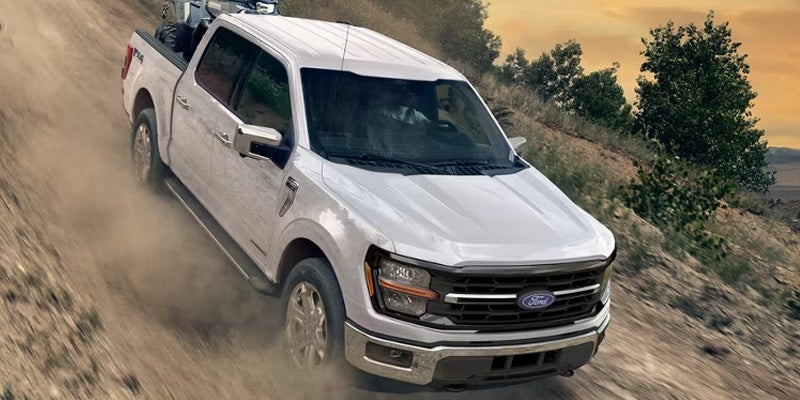
White Ford F-150 truck driving through a dusty off-road trail

2026 Ford F-150 Hybrid vs. F-150 Lightning: Which Powertrain Fits North Texas Drivers?

If you've been shopping for a new truck, you've probably noticed that the 2026 Ford F-150 now comes in more configurations than ever—including 2 electrified options. Drivers in Pilot Point, Texas, are increasingly asking the same question: should I go with the F-150 Hybrid or make the leap to the all-electric F-150 Lightning? While they’re both exciting introductions to the lineup, the answer depends on how you actually use your truck every day. The 2026 Ford F-150 PowerBoost® Full Hybrid The 2026 Ford F-150 PowerBoost® Full Hybrid pairs a twin-turbo V6 gas engine with an electric motor, giving you the best of both worlds. You still fill up at a gas station, but the electric assist helps stretch your fuel further, especially during stop-and-go driving or light-duty hauls around town. One of the biggest advantages of the PowerBoost® Full Hybrid is how little your daily routine has to change. There's no charging infrastructure to worry about and no range anxiety on long stretches of open highway. And with 430 hp, 570 lbs.-ft. of torque, and a 13,500-lb. towing capacity, it’s a natural fit for drivers who regularly tow trailers, haul equipment, or take long road trips through rural North Texas. The F-150 continues to earn recognition as the #1 Full-Size Truck for New-Vehicle Quality according to J.D. Power, and the Hybrid benefits from that same reputation for dependability. It's a capable, familiar experience with an electrified edge. more What Makes the F-150 Lightning Stand Out The 2026 Ford F-150 Lightning is a fully electric version of the legendary F-150. It delivers an instant 775 lbs.-ft. of torque, a front trunk for 14 cu. ft. of weatherproof, lockable extra storage with a built-in drain, and the ability to power tools, tailgates, or even your home during an outage through Pro Power Onboard™. For drivers who have a reliable place to charge—whether at home or work—the Lightning can significantly reduce fuel costs over time. If your daily driving stays within a manageable range and you spend most of your time closer to the DFW metro area, the Lightning makes a lot of practical sense, letting you travel up to 320 miles on a full charge. Ford's BlueCruise® hands-free highway driving technology is also available across both electrified models, adding a layer of convenience for longer commutes or highway miles. Towing, Payload, and Real-World Capability When comparing the 2026 Ford F-150 Hybrid and the Lightning side by side, towing capacity is one of the most important factors for North Texas truck buyers. The PowerBoost® Full Hybrid offers a seriously competitive towing number of up to 13, 500 lbs. that holds up well on long hauls without worrying about finding a charging station. The Lightning offers a little less towing muscle at 10,000 lbs.—and it can decrease range if you drive fully loaded. If your work involves hauling heavy equipment regularly or traveling across long distances between charges, the PowerBoost® Full Hybrid may be the more practical daily driver. Charging and Fueling Considerations for North Texas One of the most practical differences between these two 2026 Ford F-150 options comes down to infrastructure. Pilot Point, Texas, and the surrounding areas are growing fast, but charging stations are still not as widespread as gas stations throughout rural North Texas. If you live on acreage or frequently travel outside of the city, the Hybrid's ability to refuel anywhere is a genuine advantage. The Lightning works best when paired with a home charging setup or when you operate primarily in areas with reliable public charging access. Which F-150 Is Right for You? Choosing between the 2026 Ford F-150 Hybrid and the Lightning really comes down to your lifestyle. If you want lower fuel costs, cutting-edge electric performance, and do most of your driving close to home with easy access to charging, the Lightning is a compelling choice. If you need maximum flexibility—we’re talking long hauls, heavy towing, and refueling ability anywhere you stop—the Hybrid delivers on all of those fronts without asking you to change your routine. Both trucks earn their place in the F-150 lineup, and both reflect Ford's commitment to building vehicles that meet real-world needs. Visit Platinum Ford North to explore your options and find the right powertrain for life in North Texas.